
Weathering the Storm: Staying in Control When Conditions Change
For utility vegetation management crews, storm response can transform a familiar job into an unpredictable operating environment.
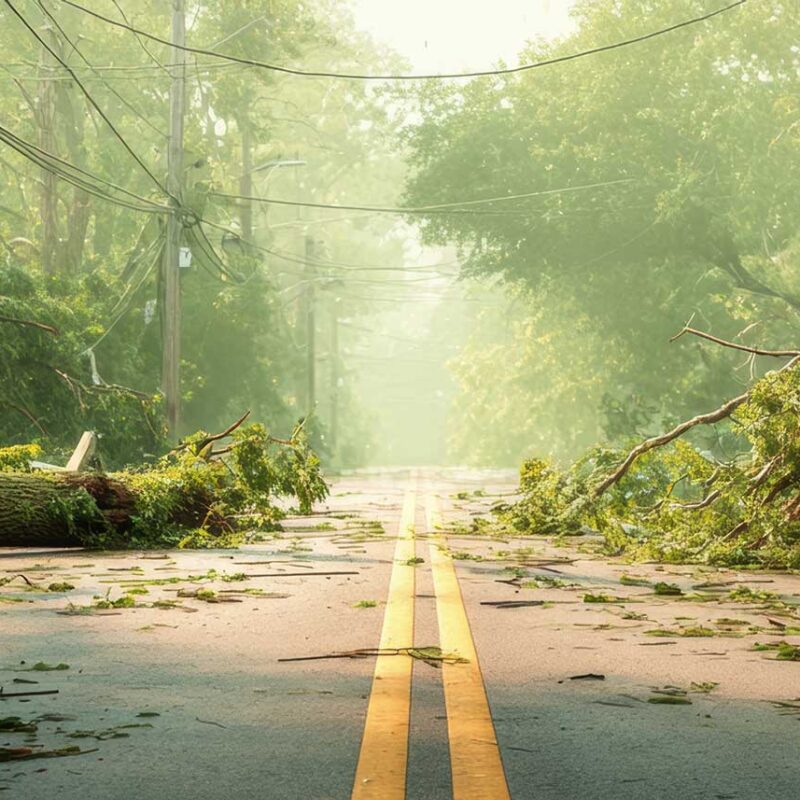
Trees may be uprooted or under stress. Limbs can become entangled with electrical infrastructure. Roads and rights-of-way may be difficult to access. Weather can continue to change even after restoration work begins.
At this year’s Trees & Utilities Conference, presented by the Utility Arborist Association (UAA) and the Arbor Day Foundation, Ray Crump of XKIG’s Operational Excellence team delivered “Weathering the Storm with Safety,” examining how professionals can maintain safety standards amid rapidly changing conditions.
For vegetation management crews, the takeaway is especially important: experience matters, but it must be paired with continuous reassessment.
A Familiar Task Can Become a Different Job
Storm work often begins with a clear assignment. What crews discover in the field may be far more complicated.
Removing a damaged limb may expose another hazard. A tree that appeared stable may shift. Access conditions may change. Additional work may be identified once the crew arrives on site.
This gradual expansion of an assignment is sometimes called task creep. The danger is not necessarily a single dramatic change. It is a series of smaller changes that can eventually render the original job briefing and controls insufficient for the work being performed.
Crews need to recognize that moment and reassess.
Don’t Let Routine Replace Recognition
Experience is one of the industry’s greatest assets, but storm conditions require even the most experienced professionals to challenge routine assumptions.
A pruning or removal technique that is familiar under normal conditions may pose very different risks when trees are storm-damaged, conductors are compromised, terrain is unstable, or equipment access is limited.
Crews must continue asking:
- What has changed?
- What new hazards are present?
- Is our original plan still valid?
The All-Stop provides crews with a simple but powerful tool for answering those questions.
When conditions change, work pauses. The team reassesses the site, identifies new hazards, communicates the changes, and determines whether additional controls or a different approach are necessary.
Everyone should have the authority to raise a concern and to initiate that reassessment. Stopping does not mean the operation has failed. It indicates the team recognizes that conditions have changed and is taking deliberate action to regain control.
Preparing for the Conditions You Can’t Predict
Preparing for storm response means developing the skills, communication, and decision-making practices crews need before severe weather occurs.
Because no storm response will unfold exactly as planned.
Thanks, Ray, for sharing your valuable insights with the Trees & Utilities community.
Suggested For You
XYLEM BLOG
Safety Starts with People: James Wendt Receives the Will Nutter Silver Shield Award

XYLEM NEWS
XKIG Strengthens Midwest Presence with Acquisition of Wilderness Land Management

XYLEM NEWS
XKIG Expands Infrastructure Advisory and Emergency Management Capabilities with ClearPath Solutions

XYLEM BLOG
An Unexpected Path to the Utility Industry
XYLEM BLOG
What It Takes to Deliver Utility Vegetation Management at Scale

XYLEM BLOG
Training for the Field: Building a Safer, Stronger Workforce

XYLEM BLOG
Building Grid Reliability One Right-of-Way at a Time

XYLEM NEWS
An Unexpected Journey into Utility Arboriculture
XYLEM NEWS
Weathering the Storm with Safety

XYLEM NEWS
Values at Work: 2025 MVV Award Winners at Xylem

XYLEM NEWS
From the Field to the Boardroom: Randolph Hoover Joins TCIA Board of Directors

XYLEM BLOG
Passing the Climb Forward

XYLEM BLOG
Against the Elements: Winter Risk Management for Utility Crews

XYLEM BLOG
Winter Weather Is Coming: A Snapshot of Strategic Climate Risk Readiness
